
ECU Coding for Replacement Key Explained

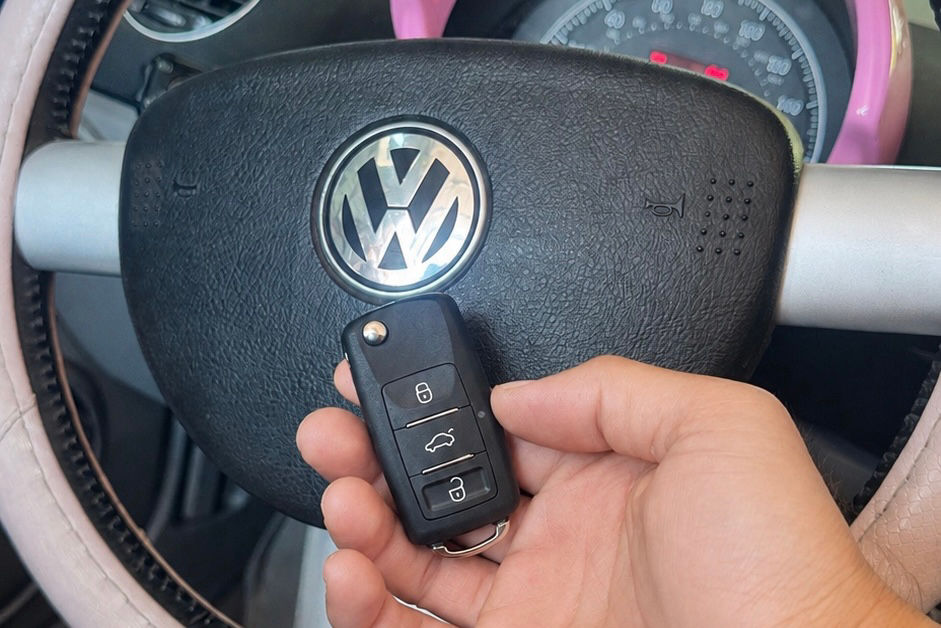
A replacement key is not always just a key. On many late-model vehicles, ECU coding for replacement key service may be part of restoring a lost smart key, transponder key, or key fob. The vehicle must recognize the new key's electronic chip before it will allow the engine to start. When that communication fails, a freshly cut key can turn in the ignition or sit in the vehicle without doing anything useful.
For drivers in Vancouver, WA and the Portland metro area, the practical question is simple: does your vehicle need standard key programming, or does it need a deeper diagnostic and ECU-related procedure? The answer depends on the make, model, year, security system, and whether a working key is still available.
What ECU Coding Means for a Replacement Key
ECU stands for engine control unit, the computer that manages engine operation. In everyday locksmith terminology, "ECU coding" can describe the electronic setup needed when a replacement key must communicate correctly with the engine computer, immobilizer, body control module, or smart-key system.
Modern vehicles use these modules to prevent unauthorized starting. The key contains a transponder chip or encrypted smart-key credential. When you press the start button or turn the ignition, the vehicle checks that credential against information stored in its security system. If the data does not match, the immobilizer can block the engine from starting even though the battery, starter, and fuel system are working.
That is why cutting a metal blade is only one part of many replacement-key jobs. The blade may unlock the door, but the vehicle still needs electronic authorization. Depending on the vehicle, this may involve adding a key through a diagnostic tool, erasing lost keys from memory, performing an immobilizer reset, or completing an ECU and security-module synchronization procedure.
When ECU Coding for Replacement Key Service Is Needed
Not every new key requires ECU coding. Many vehicles can accept an additional programmed key quickly when you still have a working original. Other vehicles require a security PIN, a connected diagnostic session, or access through the vehicle's onboard data system.
The need for advanced coding is more likely when every key has been lost, the vehicle has an immobilizer fault, the engine computer or another security-related module has been replaced, or a previous programming attempt failed. It can also arise after water damage, battery-related voltage events, collision repairs, or installation of used electronic modules.
A few common situations deserve a closer look.
All keys are lost
An all-keys-lost situation is usually more involved than making a spare. There is no working key available for the technician to copy, test, or use to place the vehicle into an approved programming mode. The vehicle's key data must be accessed through the proper diagnostic process, then a new key or fob must be generated, cut if applicable, and programmed to the immobilizer system.
In some cases, lost keys can be removed from the vehicle's memory at the same visit. That matters for security. If an old key turns up later, it should no longer start the vehicle.
A control module has been replaced
If an ECU, immobilizer module, body control module, steering lock module, or smart-key module has been replaced, it may not automatically recognize the vehicle's existing keys. The replacement module may need coding, configuration, or synchronization before key programming can be completed.
This is where the term ECU coding is often most accurate. The issue may not be the key itself. It may be that the vehicle's computers no longer agree on the authorized security data.
The vehicle starts inconsistently or shows an immobilizer warning
A key that works only sometimes can be caused by a weak fob battery, damaged transponder, worn ignition components, antenna-ring trouble, wiring damage, or a module fault. An immobilizer or security warning light is a reason to diagnose the system before ordering a key.
Programming another key without testing the vehicle can waste time and money. A qualified automotive locksmith should confirm whether the replacement key is the problem, the original key is failing, or the vehicle has an electronic issue that needs repair or module coding.
Key Programming and ECU Coding Are Not the Same Thing
These terms are often used interchangeably, but they describe different levels of work. Standard key programming adds a new transponder or smart key to the vehicle's authorized-key list. ECU coding usually refers to the additional electronic configuration or matching needed when a control module and the anti-theft system are not communicating correctly.
For example, a customer with one working push-button-start fob may only need a second fob programmed. A customer with no keys, a replacement engine computer, and an immobilizer fault may need diagnostics, module synchronization, and key programming. Both customers need a replacement key, but the labor, equipment, time, and pricing are not the same.
Clear diagnosis protects customers from being quoted for a simple key program when the vehicle actually requires a more advanced procedure. It also prevents unnecessary ECU work when a standard replacement key service will solve the problem.
Why the Right Equipment Matters
Vehicle manufacturers use different security architectures, and those systems change from year to year. A universal key machine alone cannot perform secure key programming on most modern cars. The job may require professional scan tools, key-programming equipment, security credentials, pin-code access, vehicle-specific software, and stable battery support while the system is being programmed.
Voltage is particularly important. If a vehicle battery is weak and power drops during programming, modules can fail to complete the procedure correctly. A professional technician checks the battery condition and communication status before beginning sensitive electronic work.
The quality of the replacement key also matters. A low-grade aftermarket fob may have the wrong frequency, an unreliable circuit board, or a chip that cannot be programmed correctly for the vehicle. There are times when an aftermarket option is appropriate and cost-effective, and times when an OEM-quality or manufacturer key is the safer choice. The best option depends on compatibility, availability, vehicle age, and the features you need, such as remote start, proximity entry, trunk release, or a built-in emergency blade.
What to Expect From a Mobile Key Service
A mobile automotive locksmith can often complete the entire job where the vehicle is parked. That avoids arranging a tow to a dealership when the car will not start or all keys are missing. Before dispatch, be ready to provide the year, make, model, location, and a description of what happened. A photo of the current key or fob, if one exists, can also help identify the correct replacement.
At the vehicle, the technician should verify ownership or authorized access, inspect the key and vehicle condition, scan for communication or immobilizer faults, and explain the appropriate service before proceeding. The process may include cutting an emergency key blade, supplying a compatible fob, programming the chip, testing lock and start functions, and confirming that remote features work as expected.
For ECU-related work, realistic expectations matter. Some vehicles can be completed quickly at the curb. Others require more time because the system must be diagnosed, a specific key or module must be sourced, or the vehicle has a fault unrelated to the lost key. Honest communication is part of good security service. No technician should promise a one-size-fits-all result before identifying the vehicle's actual security system.
Protect Your Vehicle After a Lost Key
If a key was stolen rather than simply misplaced at home, tell the technician immediately. The goal should be more than getting one new key that starts the car. Where supported by the vehicle, old key credentials should be removed so the missing key cannot be used to start it later.
It is also wise to make a spare after an all-keys-lost service. Programming one additional key while the equipment is already connected is often easier than repeating a complete emergency visit later. Store the spare away from the vehicle, and keep the mechanical emergency blade accessible if your fob uses one.
A replacement key should restore both access and confidence. Pacific Locksmith Auto Key & Diagnostics uses mobile diagnostic and key-programming equipment to identify whether your vehicle needs a standard programmed key, immobilizer service, or ECU coding. When you are stranded, facing an all-keys-lost situation, or dealing with a key that will not start the vehicle, the right diagnosis can get you moving without unnecessary towing, damage, or guesswork.


Comments